What is Digital Nomad?
The term "digital nomad" likely originated from a 1997 book by Tsugio Makimoto and David Manners exploring how technology enables people to live, work, and travel simultaneously. The concept aligns with humanity's natural desire to explore and seek fulfillment while moving.
Neuroscience research shows that traveling rewires our brains through new experiences and neural pathway development. Philosophers view it as a tool for expanding consciousness, and studies consistently link travel to increased happiness and overall life quality.
Understanding the Lifestyle
The Rise of Digital Nomad
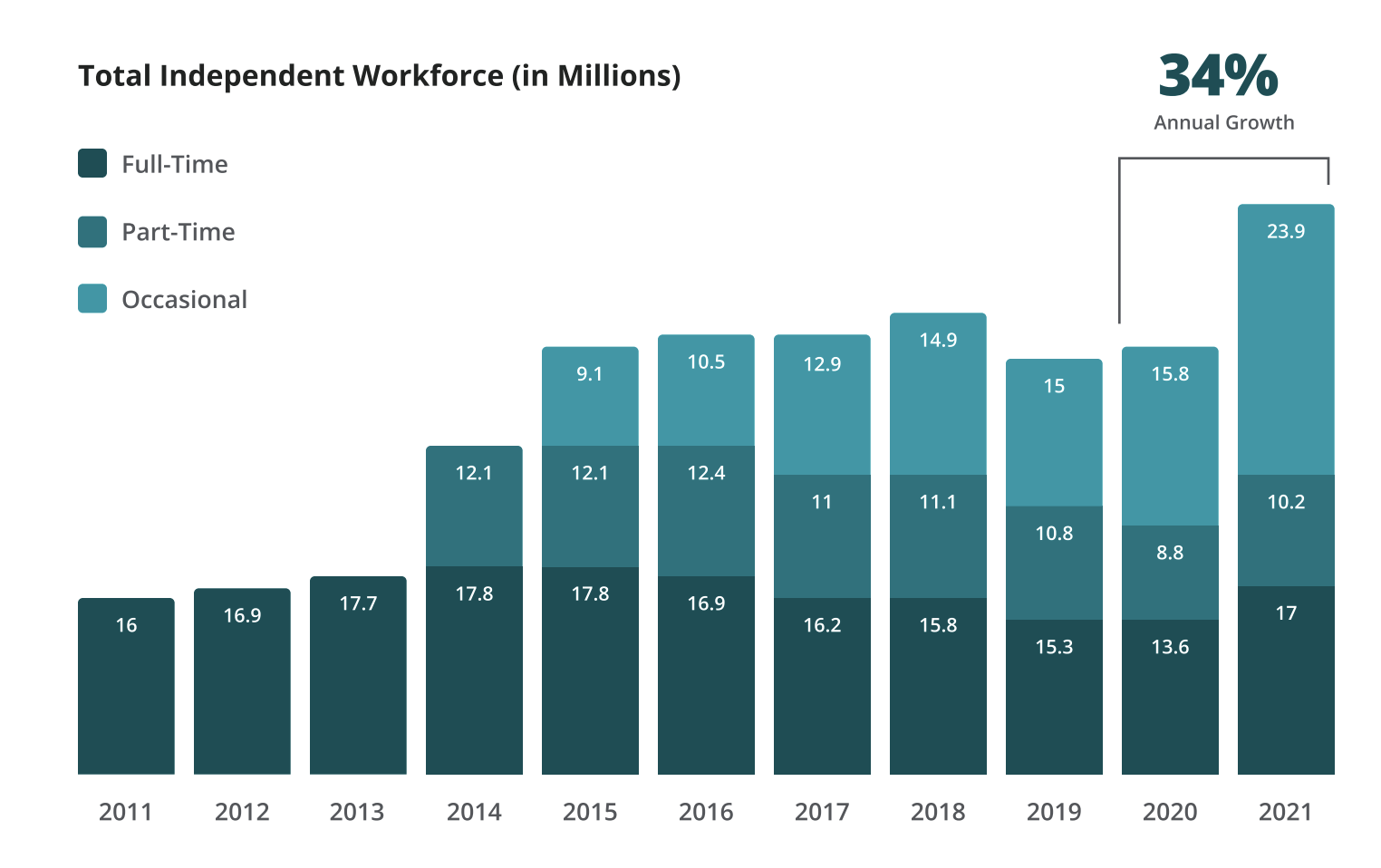
By 2025, projections suggest 22% of the American workforce — approximately 35.7 million people — will work remotely. The MBO Partners 2021 study documented a 50% increase in U.S. digital nomads, with 15.5 million adopting location-independent lifestyles.
The pandemic normalized remote work across major corporations including Spotify, Google, and Airbnb. Technology infrastructure — from accommodation platforms to collaborative tools — has made this lifestyle increasingly accessible. Additionally, 46 countries now offer "digital nomad visas" with favorable work permits and extended stay options.
The demographic has expanded beyond young backpackers to include families, students, freelancers, and people of all ages.
Pros of Digital Nomad Lifestyle
Work-Life Balance Opportunities
This lifestyle appeals to those rejecting traditional 9-to-5 structures. It emphasizes continuous learning, new experiences, personal development, and the freedom to design one's own schedule and environment.
Reduced Cost of Living
Beyond initial expenses, many destinations offer significantly lower living costs. Favorable exchange rates often mean a more comfortable or luxurious lifestyle than affordable in one's home country.
Personal Autonomy
Digital nomads escape office politics, long commutes, leave applications, and monotonous routines. They gain control over work processes and location choices, though they still maintain professional responsibilities.

Making the Decision
Cons of Digital Nomad Lifestyle
Personal Misalignment
The lifestyle requires comfort with flexibility and unpredictability. Some individuals thrive on routine and may find constant movement unsustainable.
Psychological and Practical Challenges
Common difficulties include loneliness, homesickness, difficulty forming friendships, culture shock, language barriers, healthcare access issues, and work-life boundary confusion leading to burnout. Some face professional stigma regarding commitment and work ethic.
Budgeting Complications
Constant relocation involves expenses for visas, currency exchanges, and varying living standards, making financial planning difficult without established income stability.
Conclusion
The digital nomad lifestyle offers substantial benefits but requires honest self-assessment. Success depends on individual personality, preferences, and circumstances. Happiness comes from within — environmental changes alone cannot resolve underlying dissatisfaction. But for those genuinely seeking adventure, the opportunity merits serious consideration.